Featured

Losing It: Take One & Take Two

This morning I had what I predict is a new, recurrent, anxiety dream. I was looking for something. Eventually, it was, somewhat miraculously, found.  But in between, enormous feelings of guilt and misery, letting down the (long-ago) client these things had belonged to… colour separations for a printing job assigned to a company now long out of business…huge efforts to resurrect phone numbers and remember names of the printing rep, the jobber they had usually tasked with making and storing separations, and so forth. Waking up relieved and surprised.  This was not the ancient recurrent falling dream, the familar exam dream with its variations. Yet I have the hunch that it’s the dream of this stage of my life, the fear of “losing it.”

It came at the end of a long and good night’s sleep, after a day when I had nominally been in charge of a pot luck lunch at church, itself marred behind the scenes by ovens and stoves that failed (one sparked spectacularly) after I had not been able to find the new oven thermometers I had bought six months ago to verify the functioning of those same three stoves. Not that the thermometers could have helped, really, with the functioning, though the volunteers might have better known what they were up against. Only the oldest stove, a big six burner restaurant appliance, was working right. Here again, somewhat miraculously, people were fed, food was abundant, leftovers were distributed, dishes were washed. Even the horrible black crust on the bottom of the pot that burned on the stovetop was scoured clean by a newly retired engineer and devout lay reader. Three strangers appeared when the last tired but cheerful members of the clean-up crew came downstairs to the curb; the three guys helped load all the bags of dirty tablecloths and tea  towels, and the cleaned pots, into the share car which (also miraculously) had not been ticketed all day even though I had not been able to pay for the parking at all on my phone, which defaulted to the “information: new hours” screen every time I tapped “continue,” after I had been just too stubborn to go pay with cash–instead, had made screenshots of the computing glitch, preparing to defend myself if fined.

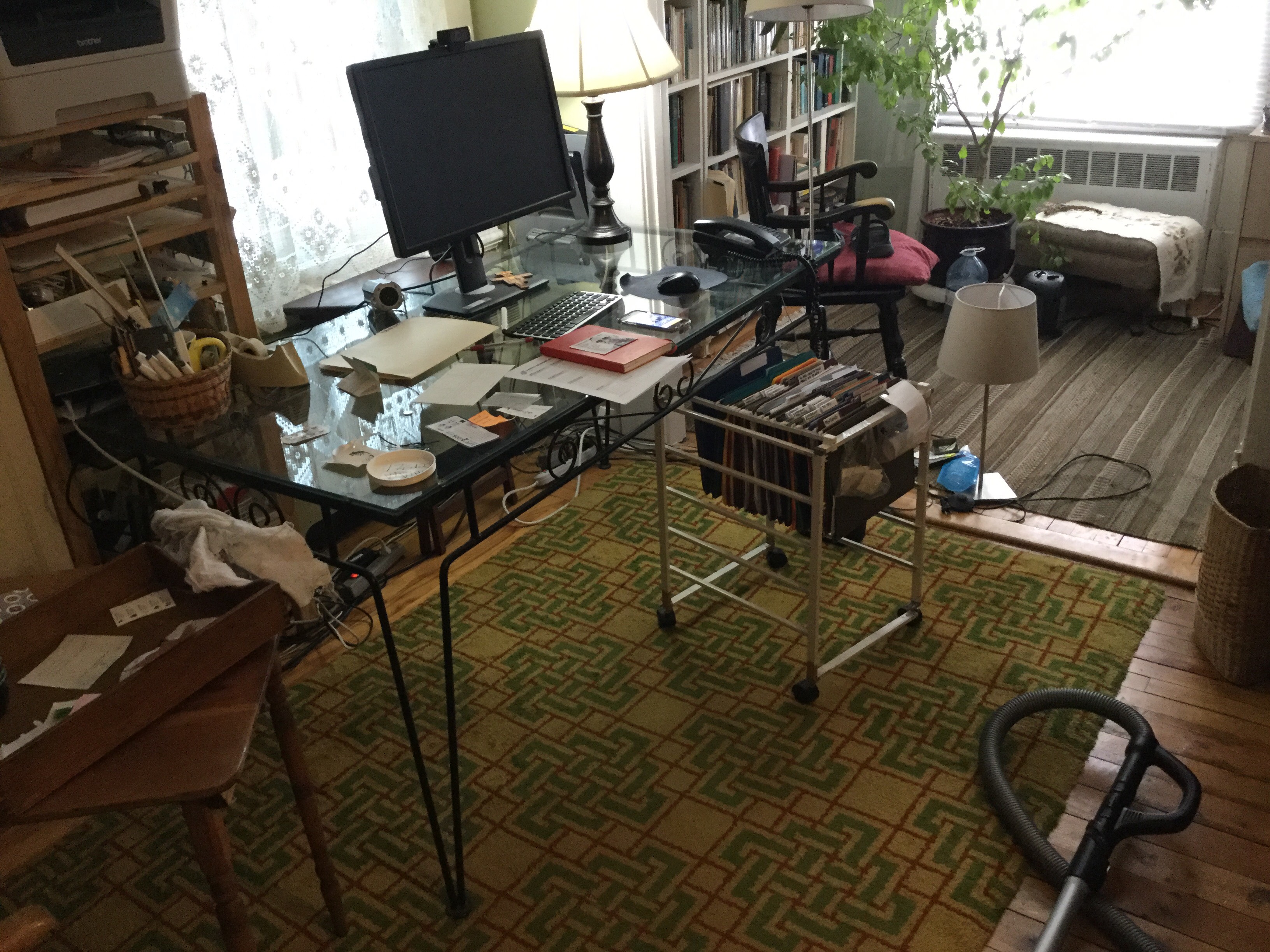
And when I come to write all this, for a blog I now see with horror has been dormant for three and a half years, I find my desk covered with papers and “debris” with scarcely room to rest my forearms on either side of the cup of hot microwaved coffee.

Yes, I live with the fear of “losing it” these days whether it’s the discipline to regularly clear the desk or kitchen table, or to unhaltingly climb up or down even a small flight of steps, or to remember keys or keep track of appointments … I’m almost used to forgetting names now…or to keep my temper in the face of stuff that wouldn’t have irritated me five or seven years ago.

Because “losing it” also means losing not physical stuff or capacity but self-control in a wider sense, doesn’t it? 

I witnessed the extreme example last week, watching what my friend D. calls “people behaving badly”… a seemingly endless cable tv show in the US called “customer wars.” It’s comprised entirely of video footage from restaurants and shops where customers insult servers or bully and punch each other. Quite an eye-opener to the unititiated me!

So many questions. Are the people who watch this show (why?) desperate for someone to feel superior to?  Vicariously relieved that somebody else can simply raise mayhem?  Are the people who act out their frustrations, without any filter or control, the folks for whom Donald T is the ultimate hero? Are the producers of A&E making a fortune, having put scriptwriters and camera people and actors out of work, substituting their craft and lifeswork with the images of hapless and unphotogenic humans caught in low-resolution jumpy images on security cameras?  Who watches this stuff?  And how can showing this as a form of “Art and Entertainment” not degrade public comportment further and further? Are they abdicating some responsibility they ought to be living up to?

I guess I’m coming late to this parade.  But, well, there you are.  There’s much more to say on the subject of “losing it” but those notions need to wait.
Featured

Thanks … for nothing?

How on earth (and why) would we give thanks to God when times are fraught. As we used to say as kids, “thanks… for nothing!”

This reflection was written by for our parish blog our in the early days of Covid time (remember March 2020?). Each of the authors reflected on one of the scriptures of the day. Somehow this one never made the cut. Perhaps the editors found the title a bit, ah, negative. Bear with me, please… you’ll find that I actually reveal a secret about prayer. I thought I’d share it on Thanksgiving Day 2020.

To give thanks seems on the face of it a quaint formality. The writing of dutiful notes long eclipsed by the advent of phone calls, email, and digital messages.

And how on earth (and why) would we give thanks to God when times are fraught.  One feels, well, thankless. As we used to say as kids, “thanks… for nothing!”

The words of Psalm 139 come to mind: How shall I sing the Lord’s song in a foreign land?

But consider: We live within and sustained by God’s creation. We are not strangers but God’s own people… all of us, not just some of us. And our Psalm for this morning is not Psalm 139 but Psalm 50. It begins by introducing God’s power.  “Our God comes and does not keep silence…” but comes “like a devouring fire… to judge the earth,” yet these flames are not at all interested in blood sacrifices:

If I were hungry, I would not tell you, for the world and all that is in it is mine.
Do I eat the flesh of bulls or drink the blood of goats?

Offer to God a sacrifice of thanksgiving, and pay your vows unto the most High.Call on me in the day of trouble; I will deliver you, and you shall glorify me.
(vv12-15 NRSV)

The words about the wicked (see vv 16-22) are trenchant. It’s tempting to run them as a mental video with the faces of obvious villains past or present, which would of course allow me to feel superior.  A temptation important not to succumb to.

Here’s the last verse: 

Whoever offers me the sacrifice of thanksgiving honours me  ♦
and to those who keep my way will I show the salvation of God.’

Why is thanksgiving described twice in this Psalm as a sacrifice?

When I was first exploring prayer in a methodical way, my spiritual director gave me a structure taught by Ignatius of Loyola:  To start the prayer time by imagining myself in the presence of God, picturing God looking down upon me with love. Then to proceed with the prayer of the day. And, at the end, whether or not anything particularly remarkable had occurred, to give God thanks for the prayer time. 

On one very dull and dry day I came to that last step with an unfeeling heart and an attitude of ironic detachment. What would it be like to give thanks for… nothing!  Yet I gave it a try. And as I connected with the God who had seemed so entirely absent—because thanking requires connecting—suddenly I discovered there everything my prayer had lacked. 

Thanksgiving is a sacrifice because in it we come to the Giver bringing, if we are honest, whatever we have in our hearts—our fine words, if we have them, our overwhelmed silence or underwhelmed doubt, and even our ingratitude if that’s the burden of it, and then stand empty handed. But not alone.

Thanks be to God.

A Reader!

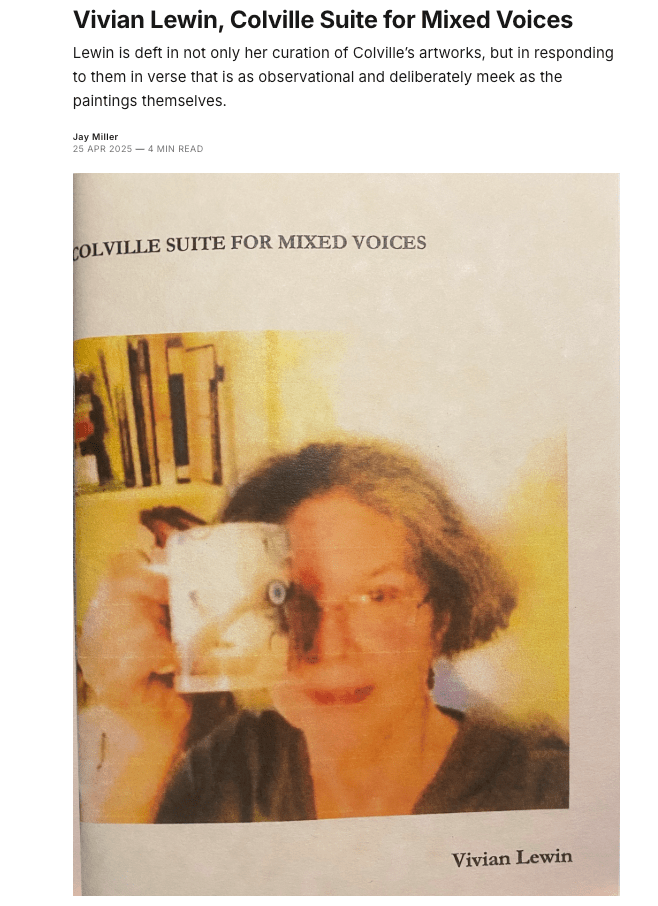
On Saturday, I was blown away by this review of COLVILLE SUITE FOR MIXED VOICES, my chapbook published by above ground press. Jay Miller, a Montreal poet, translator, and prolific reviewer of poetry published in Bibeltages, reads with astonishing care and offers a gift of real attention to poets near and far. Not shirking from post and post-post modernity either! Do they ever sleep? I hope you will explore this treasure house, as I intend to.

Question to self.. “meek”? really?

I also promise to self and you readers to write & post more regularly. Stay tuned please.

True Patriot Love

For comfort I reach for a scarf my mom knitted for my dad.

The impeachment hearings continue, late in the afternoon of January 30, 2020.

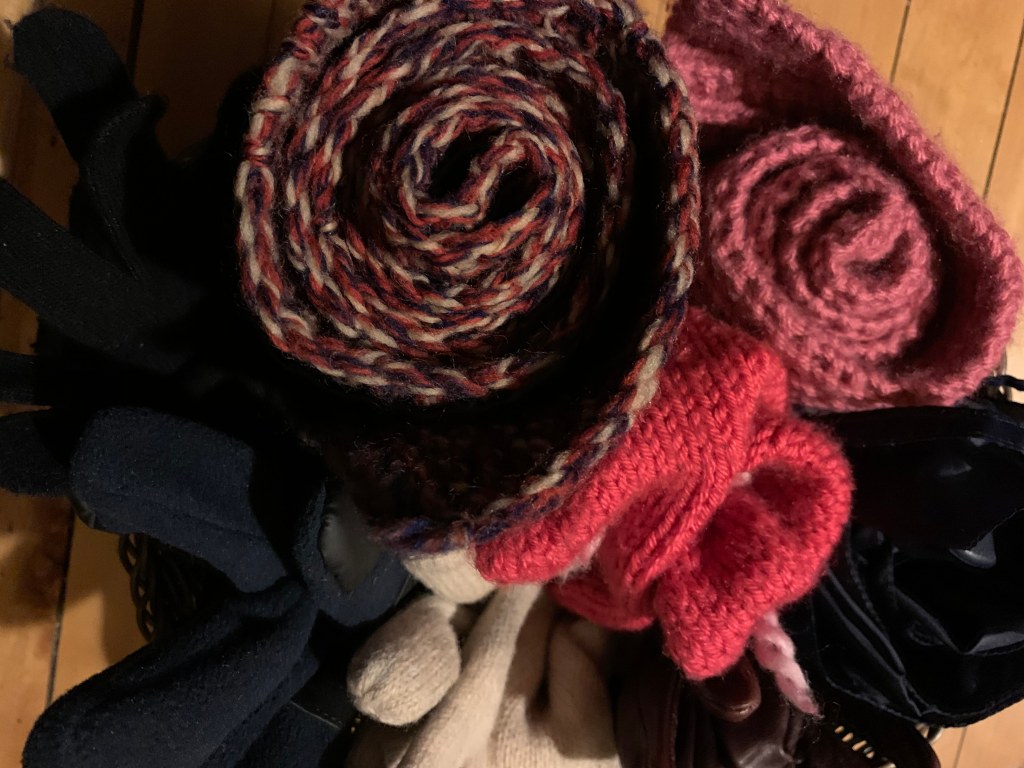
This morning as I left the house my hand reached out and picked up a scarf that generally stays rolled up in a basket on a wooden bench just inside the front door. A basket full of scarves and toques and gloves, because in Montreal I need as many of these as I did pairs of sunglasses when I lived in Florida. I don’t take this scarf outside the house much, because I tend to lose things and would be sad to lose it. So it stays in the basket not so much to wear, as to serve as a sort of token of family history.

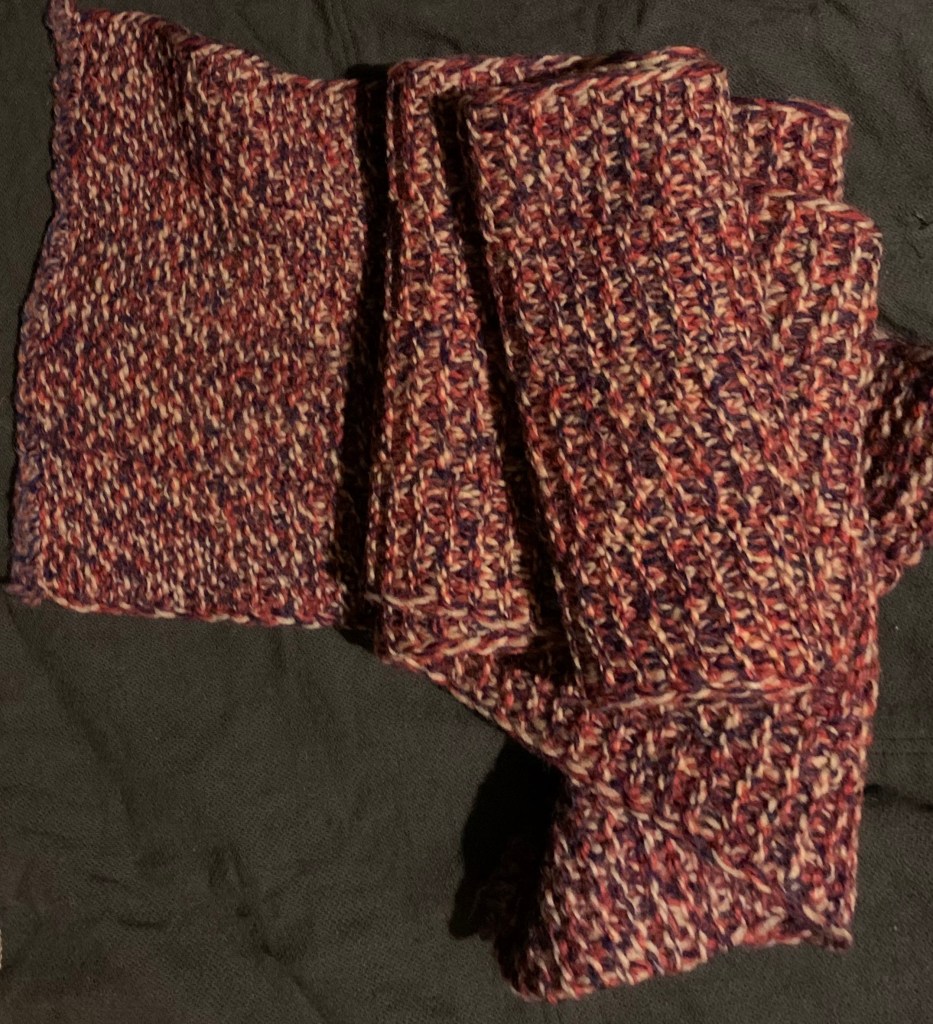
My mother knitted this scarf in Colorado as a Christmas present for my dad, who had been sent there from Pennsylvania, where they met, to teach skiing to troops in the 10th Mountain Division of the US Army in preparation for being posted overseas. It’s hand-knit with three strands of wool yarn—red, white, and navy blue—in a seed stitch that changes from knit to purl (or back) every dozen stitches or so, forming faintly demarkated longitudinal panels that lie perfectly flat.

Dad wasn’t a citizen yet, so, even though he wanted to enlist, he wasn’t permitted to. Aliens were, however, subject to the draft. He had passed the word along somehow—perhaps asking someone he knew to speak for him. Word that he would welcome being drafted. Not long after, he received notice to report for his physical. He and mom had just been married that summer.

I have been thinking of them, the way they sat glued to the television all through Watergate. I can’t even imagine how my dad would react now if he were alive. He would go ballistic of course. They both would. He took such pride in voting, in civic life, even in paying taxes—telling me that “it is a privilege to pay taxes in a democracy.” And they were fundamentally loyal. When I phoned them in 1986 to froth at the mouth at Americans bombing Libya without declaring war, my mother simply said in her schoolteacher voice “my dear, what did you expect?”

So holding the scarf in my hand and then feeling its warmth around my neck I experienced a fresh appreciation for my mother’s decision to give her new husband, her German-born partly Jewish music-loving husband, a handmade patriotic artefact that would wrap him in both her love and her appreciation for his service to his new country. Somehow those loves melded during the war. Those who were fighting believed they were defending the US and, really, the “free world” against a horrible totalitarian machine. And they were. And they succeeded.

Will this all be lost, now? From where I stand, I feel as though I’ve been holding my breath for weeks. And, however unrealistic I might be in the face of many sober predications, I use considerable strength simply holding the outcome in limbo. Hoping I truly don’t know how it will end.

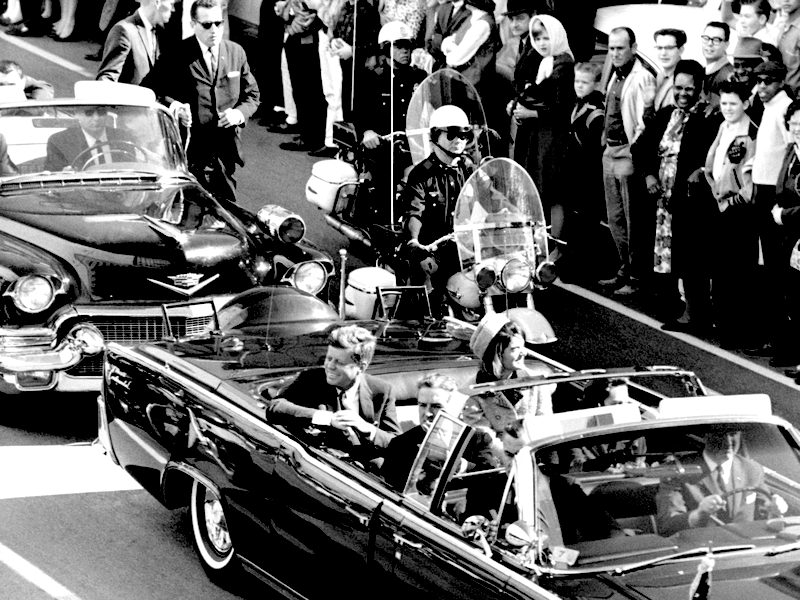
November 22. Where I was.

I sat there studying. Until this huge bell started to toll, not on any schedule but in the middle of the afternoon.

The little icon on the side of the screen says Nov 22.  I know where I was in 1963.  I was in Oberlin Ohio, facing a mid-term in introductory Calculus, the section for math majors, and I was also taking introductory chemistry the serious one. I was a freshman (even women were freshmen in those days) living in a cinderblock dorm with a roommate I didn’t get on with, who had borrowed from the lending collection and hung in our small shared room a print of a not-young woman from Picasso’s blue period, a picture I found disgusting. I had a boyfriend, my very first, and an English introductory literature class that thrilled me, and a lavish enough allowance to go to the college bookstore and buy almost any book I liked. That’s where I was.

I carried whatever I was buying that day to the counter of the bookstore, the counter in the back. There was a TV running in the background.  Black and white.  And the woman at the counter, a not-young black woman, said “the President’s been shot” and my first thought was that it was the president of the college, President Carr, and why on earth?  And then I took it in, a little.  But I am not always a fast processor. So I went to the library, I found one of the desks up in the stacks on the south side next to a window overlooking the former theology school, and sat there studying.  Until this huge bell started to toll, not on any schedule but in the middle of the afternoon.

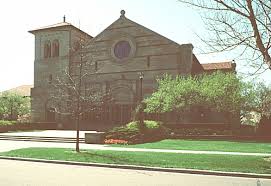
I think we all knew what it meant. Put down our books and streamed in with students and professors coming from every direction to Finney Chapel, the largest building on campus. I have no memory at all about who spoke or what they said.  There was probably some sort of prayer. I wasn’t a believer in those years. 

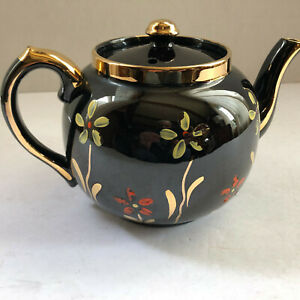
When I was getting ready to go to college, my dad had suggested I buy a tea pot and a set of cups. I bought the tea pot in Atlantic City, a black English one with flowers and gold painted on it. The cups were pure 60s straight sided coffee cups with white saucers, each one a different bright colour including, of course, orange and green.  I had never made tea for my friends but that day I did, boiling the water in the pot with an immersion heater before putting in the tea bags.  Somehow we got milk and sugar, maybe from the kitchen downstairs, and we sat on the floor together. Somehow I did know how to do that.  We didn’t have the internet or even a running television and we weren’t frantic to get instantaneous updates.  We needed to not be alone with it, and for that short space of time we had each other’s company.

Photos: Kennedy motorcade in Dallas from WikiMedia public domain, rendered here in black and white; the other images may be subject to copyright. Coffee cups image from 1stopretroshop.com; teapot image from Ebay. Finney chapel from website/blog http://jerrygarciasbrokendownpalaces.blogspot.com/2011/11/finney-chapel-oberlin-college-90-north.html

Valentines

And then I got distracted.

No envelopes in the mail today. No silly little valentines card circa 1953 signed “Guess Who” in my grandmother’s round schoolteacher handwriting. No carefully folded brand new linen hankie in a card with a pink frilly image from Aunt Jeanne.

But I woke up thinking not about Valentine’s Days Past, or about myself, but about a friend whose husband had died in the past year. Theirs was a great love. So deep a loss I drew back from connecting with her. As she said, people send text messages and think they are keeping in touch. The phone doesn’t ring.

She phoned before Christmas. Could she pay me to do a favour? The single sheets, good smooth cotton ones, she had bought for the hospital bed they brought into the house, weren’t really needed any more. Instead of giving them away, she wanted have them made into pillowcases that she could use on her larger bed. I was so glad. To help. To be shown how to help. To do this.

So I woke up thinking I would sew them today, on Valentine’s day. Utterly appropriate. And let her know, too. Call her. And then I got distracted.

Yesterday, friends came to town. They invited a few people to my place for tea. This motivated me to clear space for the guests. And to “ferret things away.” Boxes and boxes of papers, labelled at least, and then, at the last, simply heaps of things in closets and in the small bedroom. One of my newer friends came and loyally helped. Do I dare even post a photo of the result? The seen and the unseen, the public and the private? Maybe later. As one friend said about the small bedroom where a lot of the debris got piled, “We all have rooms like that.” On the other hand, I had been able to clear the hall closet and even add a second rod to accommodate more coats. Felt smug when people asked “where do we put our coats” and I was able to say, breezily, “in the hall closet of course.”

Waking, I was still enchanted by the result. I could move through my rooms entirely at ease, nothing to stumble over, no coats and boots on the floor by the door, no little piles of deliveries coming in or out. Could I possibly keep it this clear? Oh, I wanted to so very much. My office was a wonder. I had moved the desk sideways and could enjoy the carpet.

My dad had designed and hand knotted that carpet in the early years of his retirement. Bringing life to his beige living room. It was the largest and most ambitious of the carpets he made; he worked so intensely on them, he got stomach ulcers and had to give it up. I have this one and most of the others in my house now. The colours are SO not mine, but my office has pale green walls and so I decided to use it there a few years ago. The first thing I did this morning was vacuum it and admire it.

Then I opened the narrow office closet and took out the things I had stuffed in on top of everything else–papers from my desk that needed attention or had simply been at the bottom of the piles of OTHER things on the desk. The kind of stuff I call “toxic sludge” or “screech.”

Because it was morning of a sunny day in a newly clear house I began by actually processing each thing that came to hand. So when the sheet of labels that comes in the back of every Leuchturm journal came next, instead of putting them somewhere I looked for the notebook whose spine had NOT been labelled… the red one from 2017. Took it down from the shelf, and there inside the front was the photo of Romero that gave me the idea of this post, I saw it in my mind’s eye with the pillowcases I had thought to construct.

And then, when some of the papers in the closet slid down behind, this is what I pulled up with them next:

My husband John Geeza, who is now married again and has his own studio in Guelph, drew this portrait of me because I loved Matisse so much. I’d framed it at one point, and then reused the frame for something else; the drawing is wrinkled, but that can be fixed. It seemed a wonder to me, this morning, to touch in with so many expressions of love. Happy Valentine’s Day!

The War Rooms

There was something here I needed to absorb and understand.

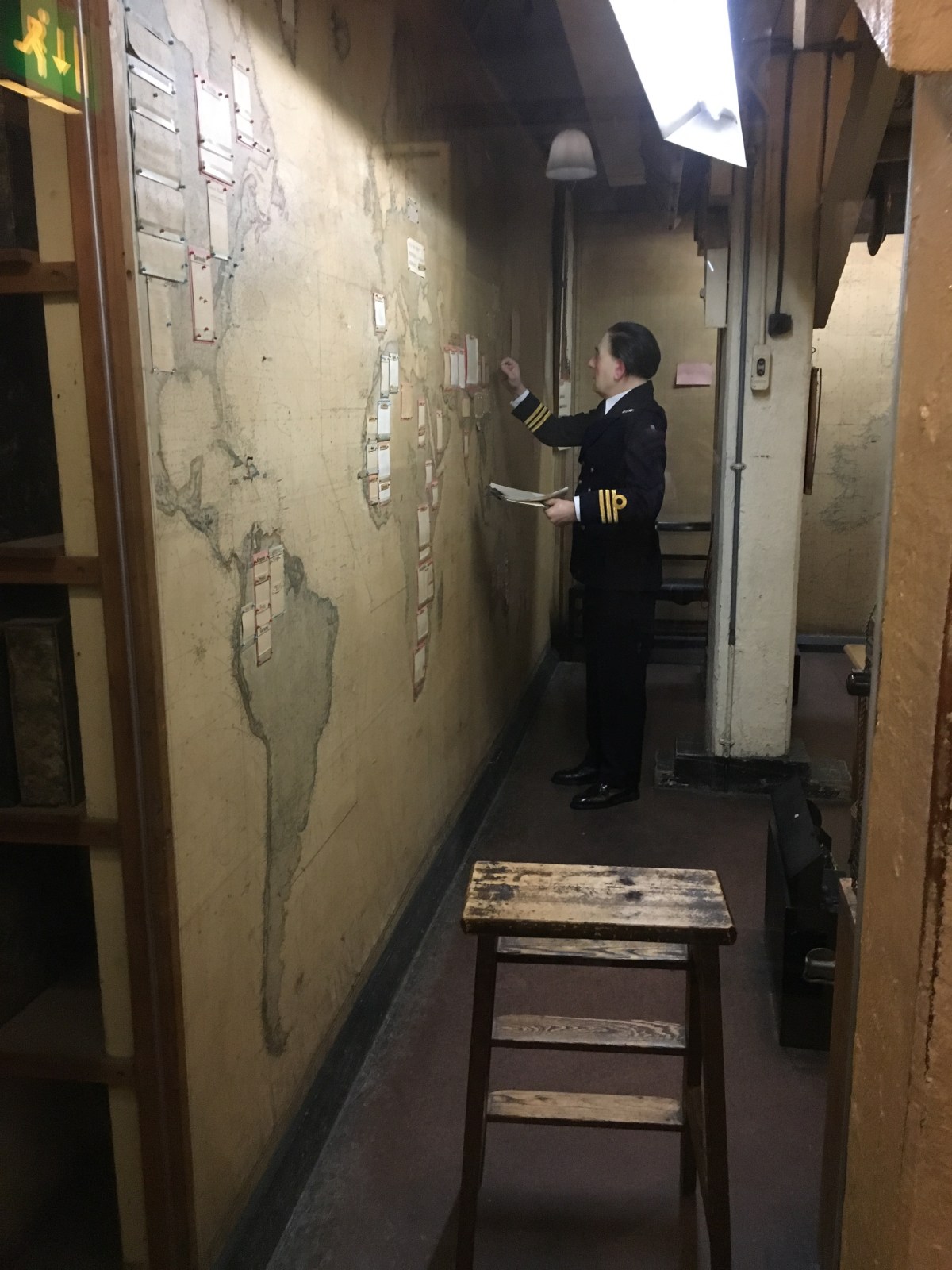
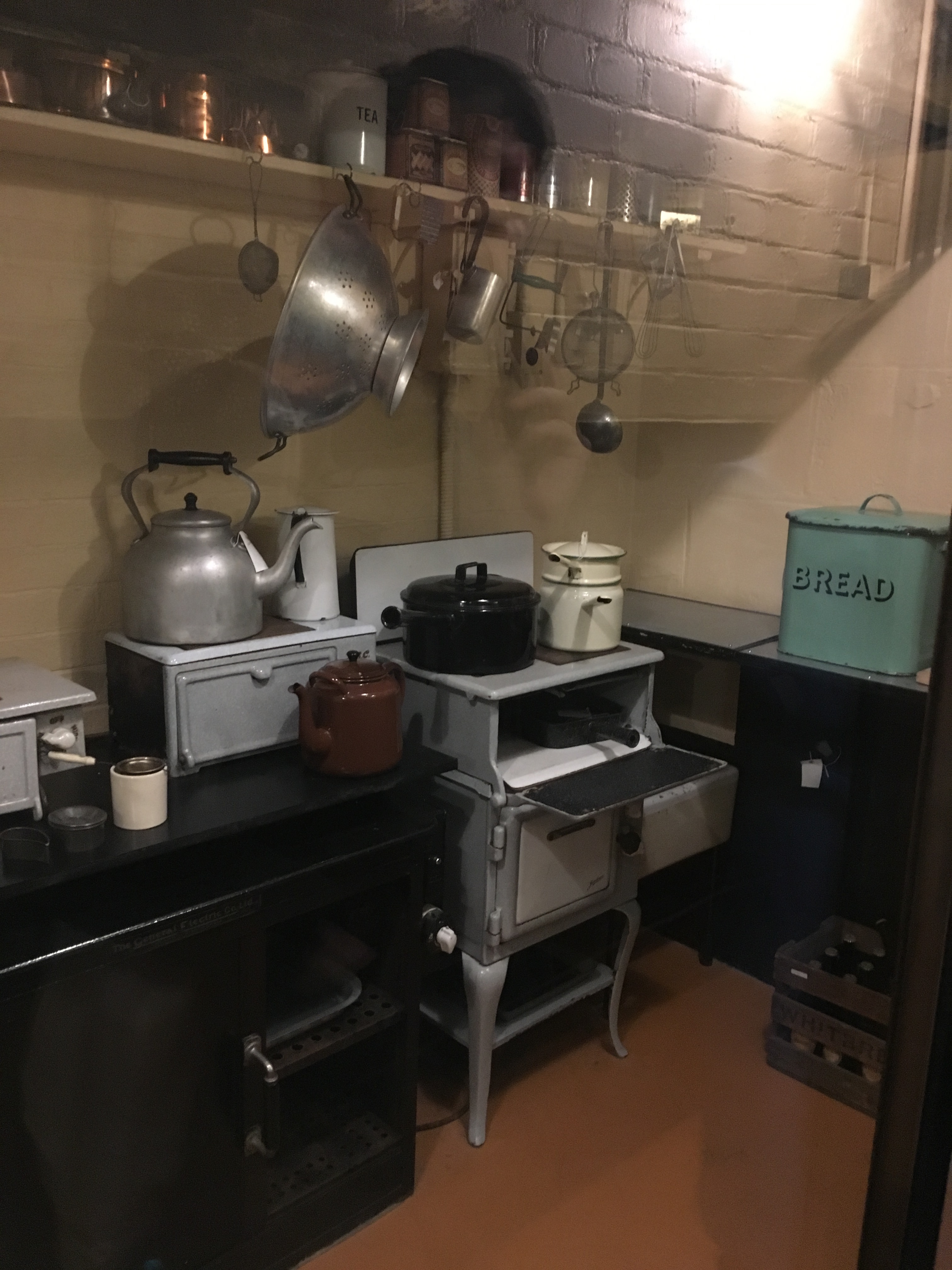
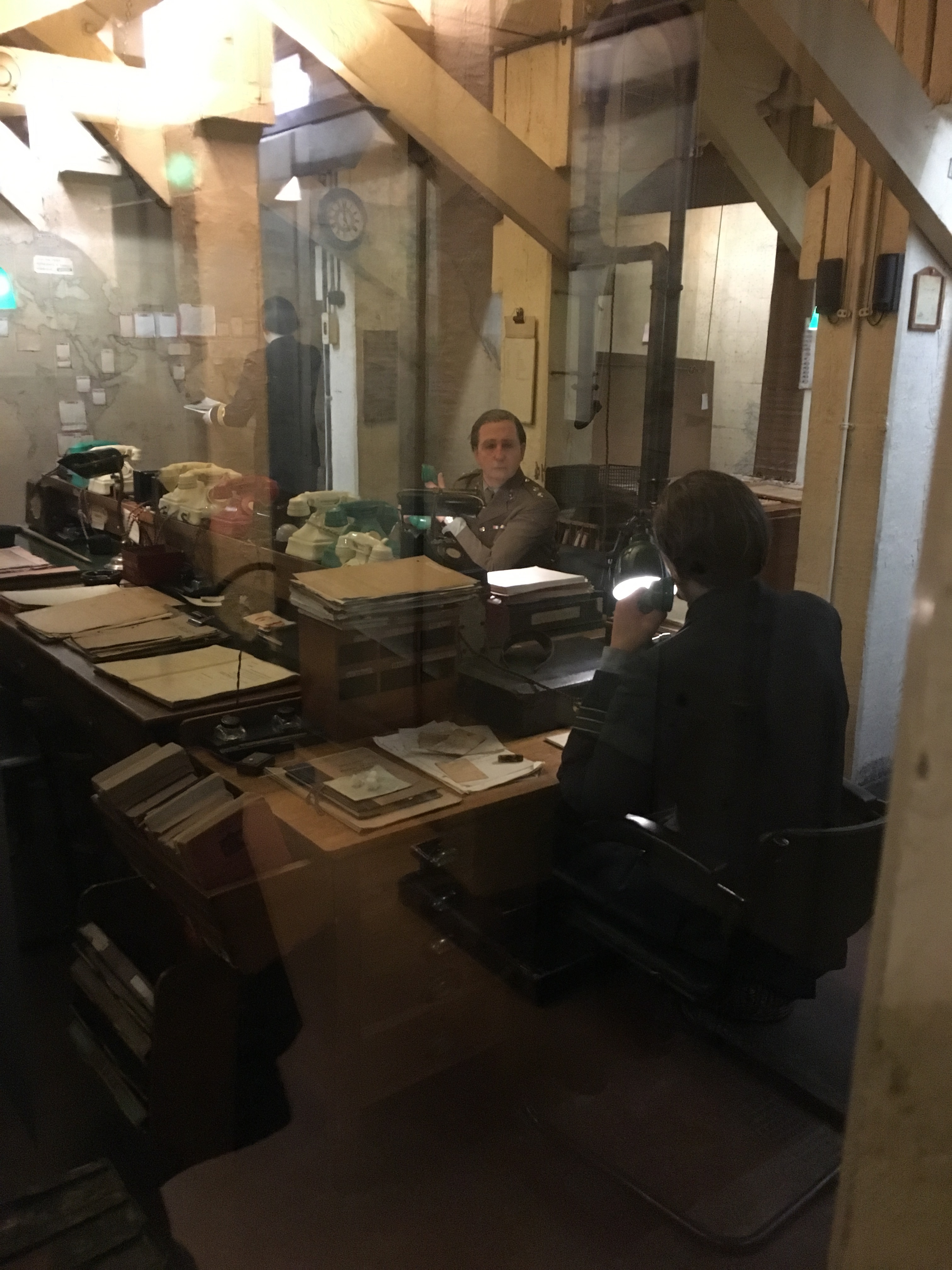
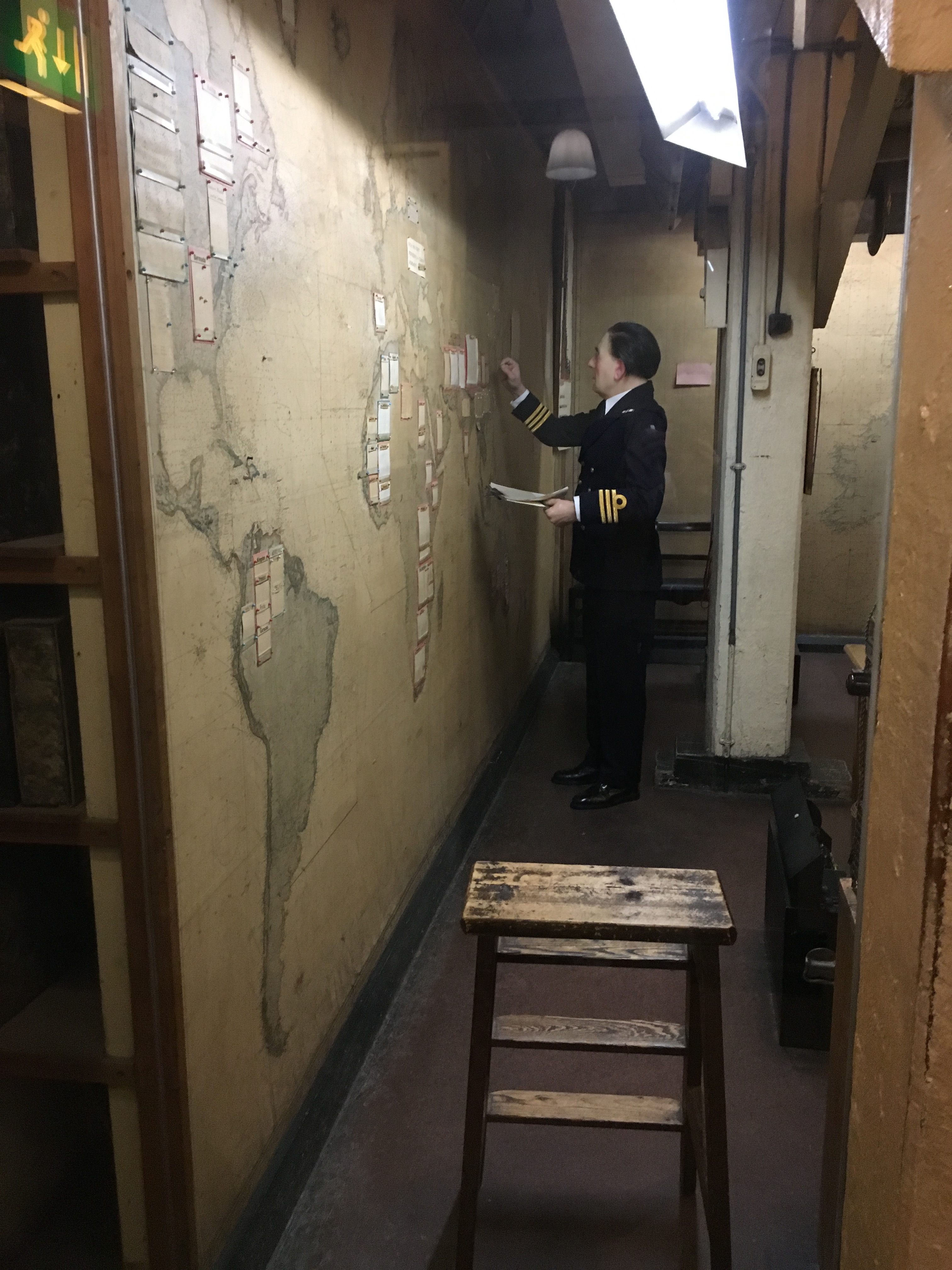
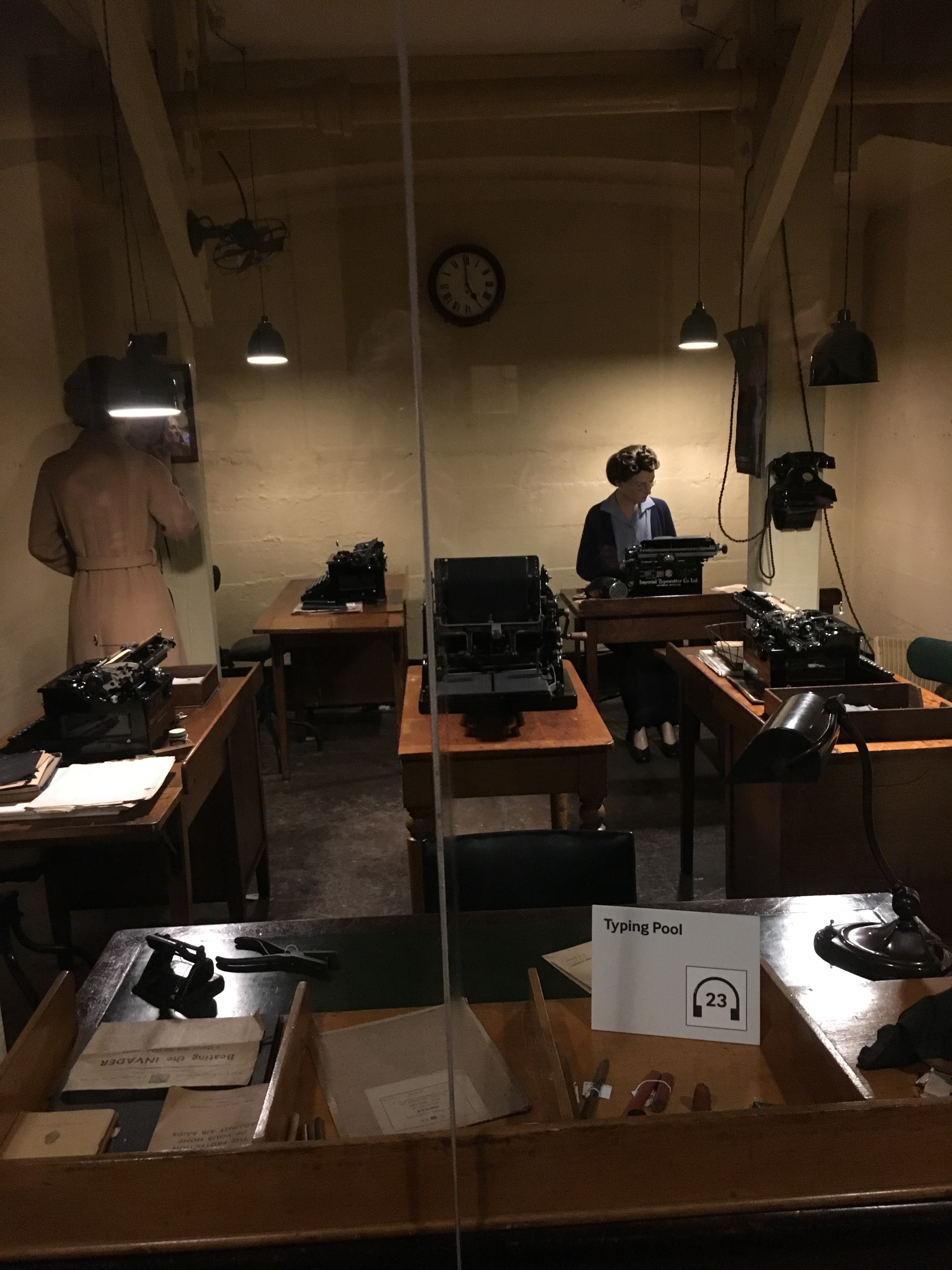
The friend I travelled to London with only had two days there. She wanted most to see the War Rooms–Churchill’s headquarters during World War 2 including during the Blitz. The rooms had been built in an underground bunker a short walk from 10 Downing Street. They included operational and command facilities and spartan sleeping quarters for the military people and clerical staff as well as for Churchill and his officers. Today, they are open to the public.

Since my own work day has underground components and is fuelled with hot beverages from a somewhat retro kitchen, I felt a surprising affinity with the place.

Outside it was a gorgeous fall day. London in November still offers roses as well as autumn leaves. But as I absorbed the import of this underground command centre, the contrast between holiday tourism and serious work effort struck me heavily. I’ve always been inclined to regard creative work as a joy and a romp. Surely it’s true that joy provides the impetus for it. But yes there is this other face to accomplishing anything worth doing: the need for tenacity, for persisting by great effort and, yes, sacrifice and discipline. For a resolute exercise of pure will–not on an ego level, but from a deeper level of purpose. There was something here I needed to absorb and understand. I could scarcely name it. So I took photos, already picturing them on the wall of my office back in Montreal. To remind me of the need to adjust my own practice, shift in this direction. We no longer speak, in moral terms, of The Enemy. Yet standing in those narrow corridors I felt that I would need to find a correlative operating stance when I returned. There was some sort of struggle to be waged. Years back, I bought a book titled The War of Art and, well, it’s probably around someplace. As Rachel Maddow tells her listeners, “put a marker in this one.”

The Most Special Moment

I was unprepared, despite my expectations, for the Western Wall.

Early in 2018, I decided to travel to the Holy Land — Israel and Palestine. Like many travellers who are also writers, I had high hopes of what I would be able to capture of my impressions and thoughts on this first visit. I’m a Christian (specifically, an Anglican) lay reader with some Jewish ancestry. So I knew I had a lot of baggage. I hoped to set aside my expectations and so be open to what I would be experiencing. Not easy. Stepping into pilgrimage mode is already to be immersed in a vast tradition of expectations. Travelling with a cloud of witnesses whose sight has been heavily influenced by their previous experience and by their personal and collective hopes and dreams and fears and tentative or bold longings. It would be impossible not to have expectations, even if those stand squarely in the way of genuine experience.

Yet only when we lay down our expectations can we be open to what’s really happening. Near the eve of my departure, my Jewish friend W told me she found herself in tears at the Church of the Holy Sepulchre. I think this was in part because she didn’t have expectations of what she would find there.

And I was unprepared, despite my expectations, for the Western Wall.

I’d known I would visit it. I’d been reading two different books on the history of Jerusalem. I knew the Wall was the traditional focus for devout Jews, both pilgrims and local people, and I knew I wanted to come and pray there, too, in a more or less traditional way. I knew enough to bring prayers with me written on tiny slips of paper, I brought them for friends and I brought my own. When our leader invited us for an “evening walk,” he didn’t say we would go there, but I brought the written prayers. I carried them forward among the women who were praying, I moved somewhat tentatively and with reverence and determination, finding places to put them among the bits of paper crammed into the chinks between the ancient stones. I’m tall and so I reached up and found room for those prayers. Then I backed away carefully, among the other women who had come, not turning my back on this holy site.

Two days later, early in the morning, our local guide brought the whole group again to the Wall.  She told us that some Jews believe that all prayers come here before ascending to God.  

This conflation of geography and devotion seems to open a line of thought in itself, doesn’t it?  We Christians pray in churches where the altar is said to be at the East end no matter what the actual position of the church, so there is some deep shared tradition here.  Yet the trajectory of prayer–or the other idea that when the little papers are taken out of the chinks in the wall, they are buried on the Mount of Olives where they will continue being prayed in eternity–these notions seem to obscure as much of the truth as they reveal. So I took her words in, and also set them somewhat to the side. Marked for further notice.

I went to the Wall again, and then came back to the place from which I took this photo.  I had ten minutes to spare.  I found a little group of those ubiquitous white plastic stacking armchairs that seem to populate the whole world, and sat down in one of them. I didn’t need to do anything at all.

Sitting there, in the silence of the beautiful morning, watching people move deliberately towards and away from that so-revered wall of gigantic stones, aware that my fellow pilgrims were together in the distance, chatting, I was content to inhabit the moment. I took up very delicately the notion that prayers from all over the world were flooding forward and rising into the heavens.  Like a vast river of love and desire, a river of connection and conviction and hope and need.  I was empty of the need to “pray” any particular intercessions. In fact, I found the notion of prayer as “something to do,”–and I am a person who relishes lists of things to do, and for years have kept a running list of prayer requests and people to pray for in the back of my journal–remarkably meaningless. In its place was a delicious freedom from any obligation besides being present.  In the context of the river of prayer, not “items” but connection between us and God, individual cares and concerns are truly insignificant. It is not that they are not worth our attention–my attention. I have given and will again in the future give loving attention to them, that did not change. What changed was the feeling that it was in any way a task, or a job, or a kind of work or obligation. 

I tried to describe this to a secular friend, and I found myself saying: “Well we know that light is both a wave and a particle, yes?  It seemed to me that prayer is also both a wave and a particle. The individual names, or things we pray about, are like particles, but if we only see them that way–names on a list, pieces of paper–we lose sight of the wave. We separate them from what they really are.”

For that moment I feel the lightness of being without obligation in regard to prayer. Knowing it only as participation.  I wanted to remember this forever. I took this photo, in the hope that I would remember being not simply in this place but in this state of mind.